December 19, 2025
5
min read

Dec 19, 2025
“Events are unpredictable; they can be altered by unpredictable influences; and investors’ reactions to the events that occur are unpredictable.” — Howard Marks
That’s the quiet reason a simple plan beats a clever one. When the world feels noisy, your advantage isn’t forecasting — it’s having rules: automate contributions, rebalance on a schedule, and avoid “portfolio-checking as a hobby.” Most mistakes don’t come from being wrong about the future — they come from reacting too quickly to a future nobody could know.
1. 🇯🇵 Japan hikes rates again, yen still weak
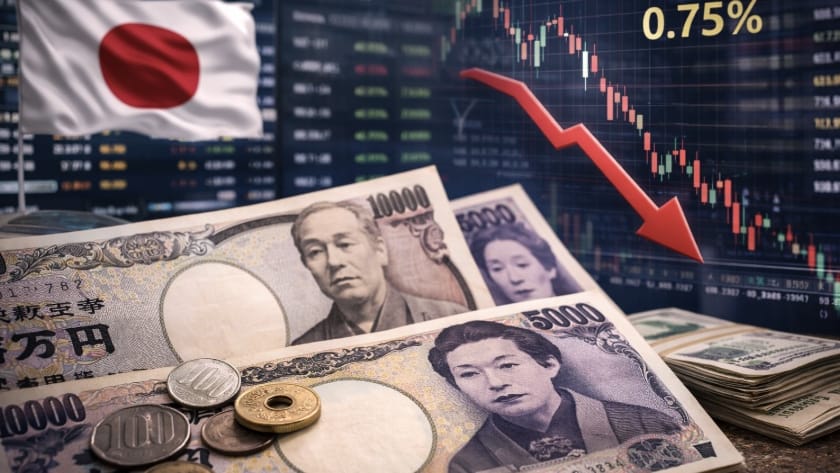
The Bank of Japan raised its policy rate to 0.75% (from 0.5%), the highest level in about 30 years, and signaled it could keep tightening if its forecasts hold. But investors heard something else: Governor Ueda didn’t give clear hints on how fast or how far rates might rise, and the yen fell afterward. Japan’s bond yields jumped, adding pressure to global rate markets.
Why it matters: When a major “low-rate anchor” like Japan lifts rates, it can ripple into bond yields, the dollar, and global stock valuations — even if you’ve never owned a Japanese asset.
Assets in Focus: Fixed Income
2. 📱 TikTok’s US carve-out deal moves forward
ByteDance signed a deal to form a joint venture structure aimed at avoiding a TikTok ban, with global investors holding ~80.1% and ByteDance 19.9%, per Reuters. The agreement still leaves open sensitive questions (like how the algorithm is handled and how “independent” the entity truly is). Markets treated it as meaningful: Oracle was up premarket in that coverage.
Why it matters: Big platform policy doesn’t just hit one app — it can reshape advertising flows, cloud/security spending, and regulation risk across mega-cap tech.
Assets in Focus: Equities
3. 🛢️ Rising “oil on water” signals oversupply pressure

A Reuters analysis points to a single number as a big driver for oil: about 1.3 billion barrels of “oil on water” (crude held at sea), the highest since April 2020 and roughly 30% higher than August. Separately, oil sitting on tankers for 20+ days has climbed to about 51 million barrels, the highest since mid-2023. The argument: oversupply and storage dynamics may matter more to pricing than the day-to-day geopolitical headlines right now.
Why it matters: Energy is still a “hidden input” to inflation and profit margins — cheaper oil can help consumers and some businesses, but it can also pressure energy stocks.
Assets in Focus: Commodities, Fixed Income
4. 💟 Nike sinks on margins, China demand still soft

Nike reported another gross-margin decline, and shares fell about 10% in the immediate reaction. A key detail: China sales fell 17% (the sixth straight quarter down), highlighting that the turnaround is still uneven across regions. Nike also flagged tariffs as a major headwind, with its CFO citing $1.5B in tariff costs this year.
Why it matters: This is a useful “consumer temperature check” — when a global brand can’t protect margins, it can hint at discounting, shifting demand, or cost pressure that matters beyond one stock.
Assets in Focus: Equities
5. 🏗️ Shutdown makes US economic data harder to trust
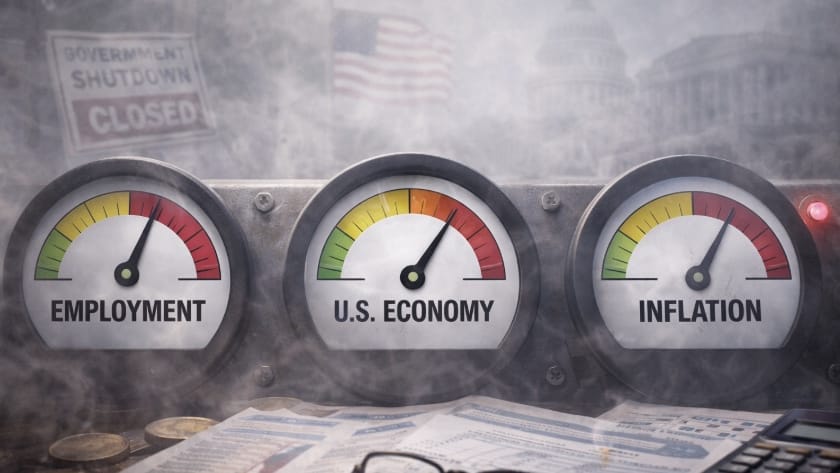
The Washington Post reports economists are treating recent jobs and inflation releases with extra caution because the 43-day government shutdown disrupted how data was collected. The story notes unusually low survey response rates and timing quirks (like price collection resuming late, during discount-heavy weeks), which can skew inflation readings. Policymakers and investors may need months of cleaner data before trusting the trend again.
Why it matters: If the dashboard is glitchy, markets can overreact to noise — which is exactly when diversification and a long horizon do their best work.
Assets in Focus: Fixed Income
🌀 Diversification Score — Calculate my score
🤯 Alternative Investment Highlight: 🏦 Banks Are “Selling” Loan Risk to Investors, and Regulators Are Getting Nervous
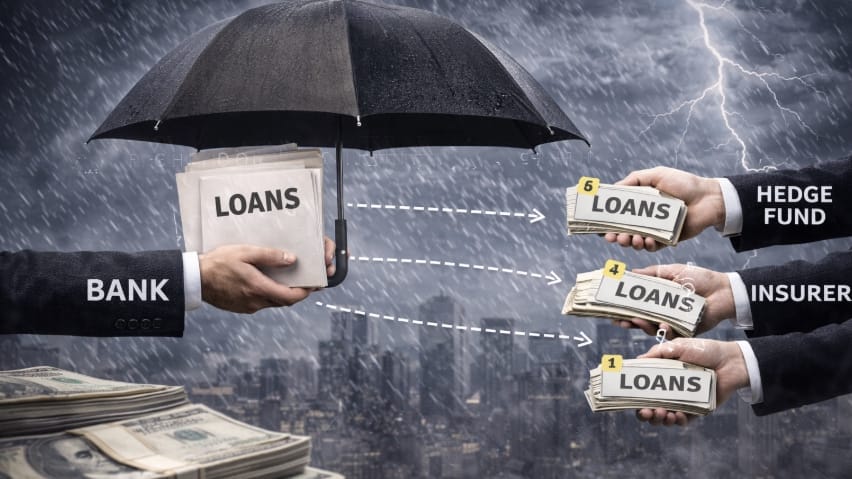
European regulators are waving a yellow flag at a fast-growing corner of finance: banks are “insuring” slices of their loan portfolios with investors like hedge funds and insurers, so the bank can hold less regulatory capital. These deals are called significant risk transfers (SRTs) — think of them as a credit “warranty” that pays out if loans go bad. Watchdogs worry heavy use could make banks look safer on paper than they are in a real downturn. It’s like banks keeping the loan, but renting out the bad-weather risk — and the regulator is basically asking, “Cool… but who’s holding the umbrella when it actually storms?”
🧠 From the Education Center: The ‘Risk-Free’ Rate is a Dangerous Illusion
Inflation, currency volatility, reinvestment risk, and opportunity cost can quietly chip away at the true return you’re getting.
🚨 Your $10,000 question, answered
Put your money to work → PortfolioPilot.com


©2025 diversification.com. IMPORTANT DISCLOSURES: diversification.com is a technology product of Global Predictions Inc, a Registered Investment Advisor with the SEC. For informational and educational purposes only. Not financial advice. Past performance is not a guarantee of future results. Investing involves risk. DATA SOURCES: StockNewsAPI, Morningstar, AlphaVantage, IEX, TradingEconomics. REGULATORY: portfoliopilot.com/disclosures.