March 20, 2026
5
min read

Mar 20, 2026
💬 Daily Observation
“More money has been lost trying to anticipate corrections than in the corrections themselves.” — Peter Lynch
The real risk isn’t the market swing — it’s the reaction to it. Success doesn’t come from reacting faster, but from reacting less.
🗞️ Today’s Stories That Matter (And Why)
1. 🛢️ Oil shock rattles markets as conflict escalates

Oil prices have surged above $100 as tensions in the Middle East disrupt supply routes like the Strait of Hormuz. Some projections now point to extreme scenarios if disruptions continue.
Why it matters: Energy is the foundation of the global economy. When oil spikes, it quietly raises costs across everything — transport, food, manufacturing.
Assets in Focus: Commodities
2. 🏦 The Fed hits pause — and may stay there longer than expected

The Federal Reserve held rates steady, but the bigger shift is psychological. Officials who were leaning toward rate cuts are now pulling back, citing inflation risks tied to energy prices. Markets have repriced potential rate cuts into late 2026.
Why it matters: If cuts are delayed, the “easy money” era stays further out of reach — affecting everything from mortgages to stock valuations.
Assets in Focus: Fixed Income
3. 🇬🇧 UK borrowing costs hit highest since 2008

UK government bond yields climbed above 5%, levels not seen since the financial crisis. The move is already spilling into mortgages and fiscal pressure.
Why it matters: When borrowing costs spike, it tightens financial conditions everywhere — slowing growth, pressuring housing, and raising the cost of debt across the system.
Assets in Focus: Fixed Income
4. 🏠 Housing market tightens as mortgage rates climb

US mortgage rates are holding above ~6.3%, triggering a sharp drop in refinancing and weighing on homebuyer demand heading into spring.
Why it matters: Housing is where macro meets real life. When rates rise, it changes what people can afford, when they buy, and how wealth builds over time.
Assets in Focus: Real Estate
5. 📊 Bond yields rise as investors rethink the outlook

The 10-year Treasury yield climbed toward ~4.38% as markets adjusted to fewer rate cuts and higher inflation risks. Rising yields reflect a simple shift: investors now demand more compensation to lend money in an uncertain environment.
Why it matters: Higher yields ripple across the system — pressuring stocks, cooling housing, and reshaping how portfolios balance risk.
Assets in Focus: Fixed Income
🌀 Diversification Score
If oil, rates, and inflation all move together, concentrated portfolios feel it first. Are you diversified — or just holding different versions of the same risk? Calculate my score
🤯 Alternative Investment Highlight: 🌍 Tiger Woods’ Golf Clubs: From $57K to $5.15M

In 2010, an investor paid $57,242 for a set of Tiger Woods’ golf clubs. Twelve years later, he sold them for $5.15 million. The edge was understanding narrative and timing — as Tiger’s legacy solidified, demand exploded while supply was permanently fixed.
🧠 From the Education Center
Diversification: A Practical Guide — History has repeatedly demonstrated its value, from the Great Depression to the 2008 financial crisis.
🚨 Your $10,000 question, answered
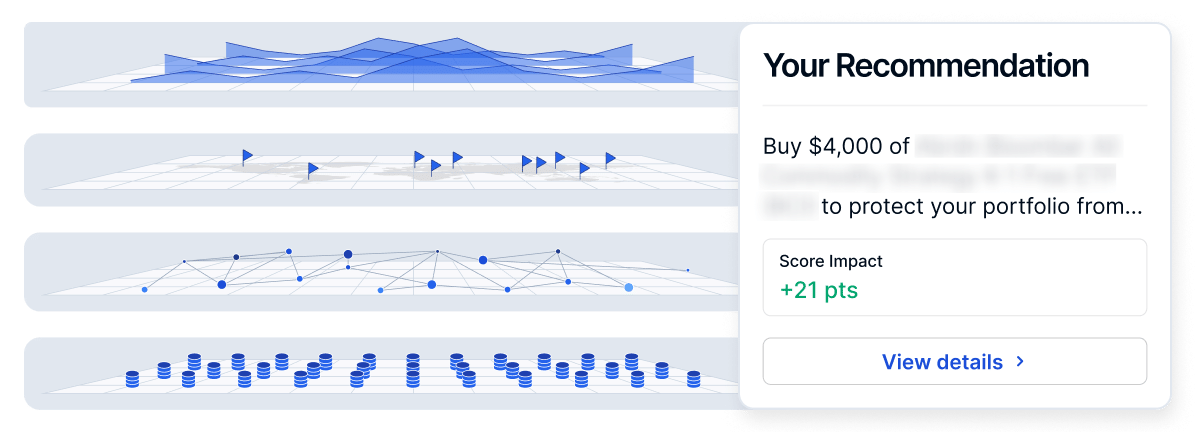
Put your money to work → PortfolioPilot.com


©2026 diversification.com. IMPORTANT DISCLOSURES: Global Predictions Inc, Registered Investment Advisor with the SEC. For informational and educational purposes only. Not financial advice. Investing involves risk.