April 17, 2026
4
min read

April 17, 2026
💬 Daily Observation
"Bull markets are born on pessimism, grow on skepticism, mature on optimism, and die on euphoria." — John Templeton
The moment things feel safest is often when risk is highest. Sentiment shifts slowly — then all at once.
🗞️ Today's Stories That Matter (And Why)
1. 🛢️ Oil drops sharply as Middle East tensions ease

Oil prices fell nearly 10% after Iran signaled that a key shipping route is fully open again. Airlines and European stocks jumped on the news.
Why it matters: A drop in oil can ease pressure, but it also shows how quickly markets can flip on geopolitical headlines.
Assets in Focus: Commodities
2. 📊 Record highs are becoming the norm — not the signal
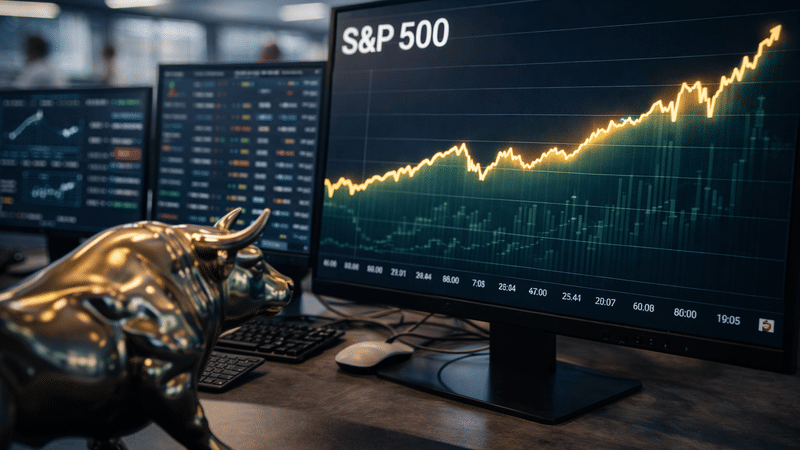
The S&P 500 has hit over 200 all-time highs already in the 2020s, driven by steady inflows from retirement accounts and passive investing.
Why it matters: A new high used to signal something unusual. Now it's often just part of the system. The real question is how markets are being driven underneath.
Assets in Focus: Equities
3. 🏦 Bank earnings stay strong as volatility boosts trading
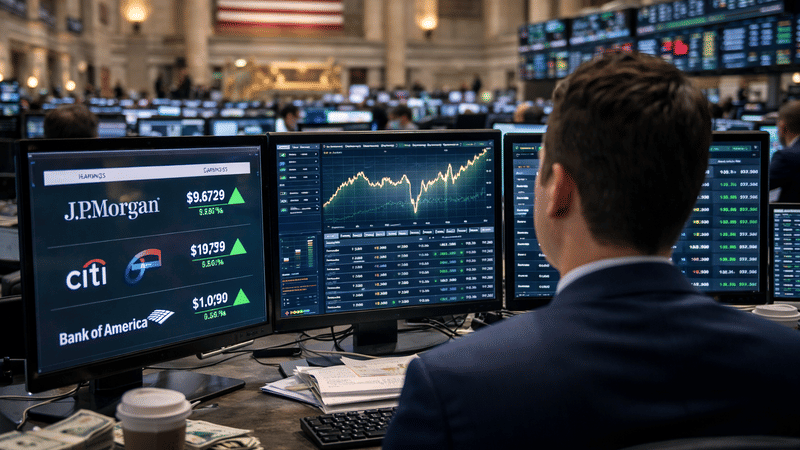
Several US banks reported solid earnings with trading and investment banking revenues rising amid recent market volatility, showing continued resilience in the financial sector.
Why it matters: When banks are profitable and active, it usually signals that liquidity is healthy — even if risks are building underneath.
Assets in Focus: Equities, Fixed Income
4. 📊 Tech divergence widens: Oracle surges, Netflix drops

Oracle jumped nearly 30% on AI-driven demand while Netflix fell over 10% on weaker revenue guidance. The split highlights how uneven the tech landscape has become.
Why it matters: "Tech" isn't one trade anymore. Performance is concentrating in a few winners — diversification within equities matters more than ever.
Assets in Focus: Equities
5. 🏗️ Fed policy uncertainty moves back into focus
Markets are turning attention to upcoming scrutiny of Federal Reserve leadership and the path of interest rates. Inflation pressures tied to energy and global conflict are complicating decisions.
Why it matters: Rates are the "gravity" of markets. When policy is unclear, everything — from stocks to bonds — can reprice quickly.
Assets in Focus: Equities
🌀 Diversification Score
If stocks just hit highs again — are you riding one wave, or building something that survives the next one? Calculate my score
🤯 Alternative Investment Highlight: 🌪️ The $60B Market Betting on No Disasters

Investors are pouring money into catastrophe bonds — securities that only pay if disasters don't happen. The market just hit $60B+ outstanding, with returns around 10–14% annually. If a hurricane or earthquake hits certain thresholds, investors can lose their principal entirely. These assets don't move with stocks, rates, or earnings — they move based on whether a disaster happens or doesn't.
🧠 From the Education Center
Diversification: A Practical Guide — History has repeatedly demonstrated its value, from the Great Depression to the 2008 financial crisis.
🚨 Your $10,000 question, answered
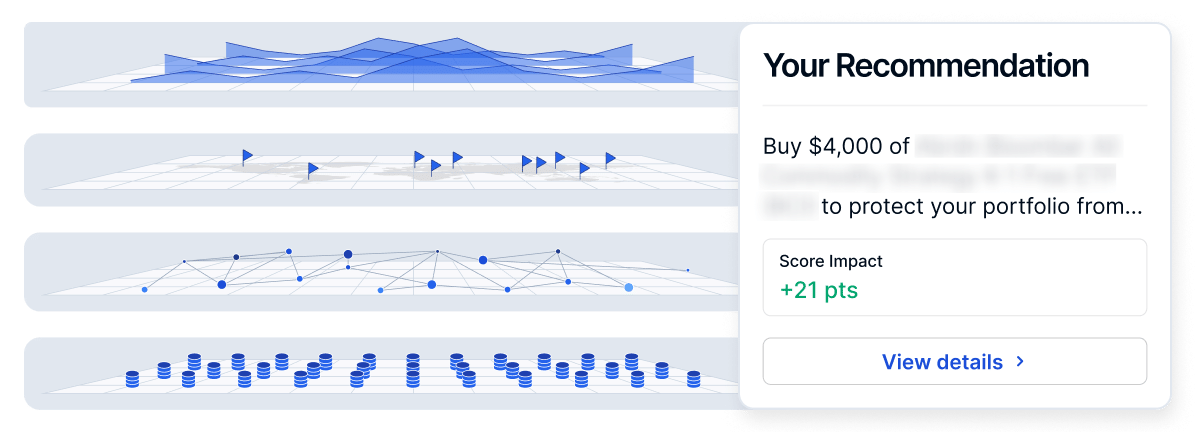
Put your money to work → PortfolioPilot.com


©2026 diversification.com. IMPORTANT DISCLOSURES: Global Predictions Inc, Registered Investment Advisor with the SEC. For informational and educational purposes only. Not financial advice. Investing involves risk.