May 12, 2026
4
min read

May 12, 2026
💬 Daily Observation
"History doesn't repeat itself, but it often rhymes." — Mark Twain
Every market cycle feels unique — new headlines, new fears, new excitement. But investor behavior changes less than we think. The details evolve; the emotions rarely do.
🗞️ Today's Stories That Matter (And Why)
1. 🛢 Oil surges again as Iran talks stall
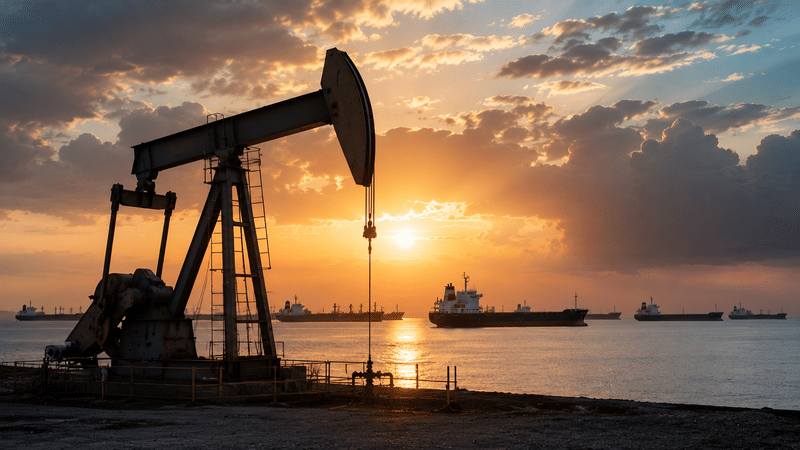
Oil prices climbed sharply after US-Iran negotiations showed signs of breaking down. Brent crude briefly moved above $107 per barrel, pushing inflation concerns back into focus. Markets that had rallied on easing tensions are now repricing geopolitical risk.
Why it matters: Higher oil prices act like a tax on consumers and businesses. They can pressure stocks, keep inflation elevated, and delay interest-rate cuts.
Assets in Focus: Commodities
2. 📈 Inflation comes in hotter than expected

Fresh US CPI data showed consumer prices rising 3.8% year-over-year in April, above expectations. Bond yields rose as traders pushed back expectations for Federal Reserve rate cuts. Inflation may stay sticky longer than hoped.
Why it matters: Sticky inflation complicates the rate-cut story — especially for growth stocks and interest-rate-sensitive sectors.
Assets in Focus: Fixed Income
3. 🤖 AI stocks finally hit some turbulence

After months leading the market higher, several AI-linked stocks pulled back sharply. Investors reacted to rising valuations, AI profit policy concerns in South Korea, and broader worries that expectations have run too far ahead of reality. Semiconductor shares led the decline.
Why it matters: When a small group of AI winners drives most gains, any slowdown can ripple across indexes and portfolios.
Assets in Focus: Equities, Fixed Income
4. 🏠 US housing supply is rising — but buyers still aren't moving

The US housing market is seeing more listings, but elevated mortgage rates are still discouraging buyers. Markets like Austin, Phoenix, and Tampa are seeing the biggest inventory increases. Meanwhile, mortgage rates climbed back above 6.4% as investors reassessed inflation and geopolitical risks.
Why it matters: Housing influences consumer confidence, construction activity, regional banks, and inflation trends across the broader economy.
Assets in Focus: Real Estate
5. ✈️ Airlines are warning that travelers are pulling back

Several major airlines signaled that consumers are becoming more cautious about leisure travel. Rising fuel costs and persistent inflation are squeezing household budgets. Travelers are still flying, but shortening trips and trading down.
Why it matters: Consumer discretionary spending is an early warning sign for broader economic slowdowns.
Assets in Focus: Equities
🌀 Diversification Score
Inflation's back, AI is wobbling, oil isn't helping — is your portfolio built for this environment? Calculate my score
🤯 Alternative Investment Highlight: 🌪️ The Market That Pays You If Nothing Happens
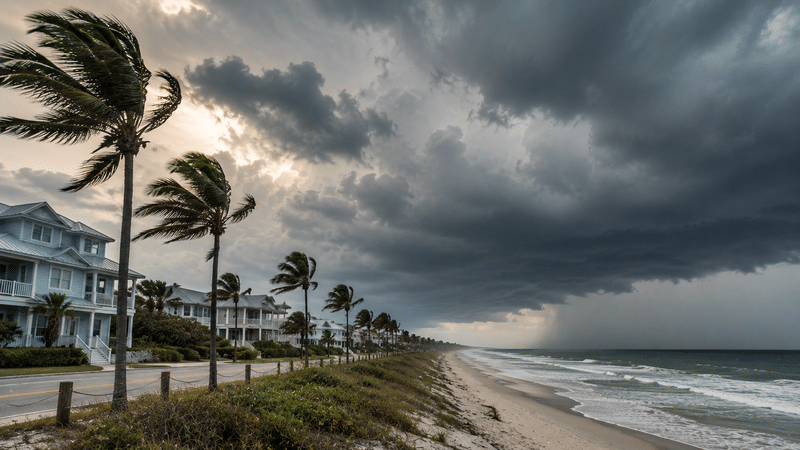
Some hedge funds are making money from hurricanes not happening. It's called the catastrophe bond market — a niche now worth nearly $56 billion — where investors earn high yields as long as specific disasters don't occur. If no major hurricane, earthquake, or wildfire hits, investors collect the premium.
🧠 From the Education Center
Diversification: A Practical Guide — History has repeatedly demonstrated its value, from the Great Depression to the 2008 financial crisis.
🚨 Your $10,000 question, answered
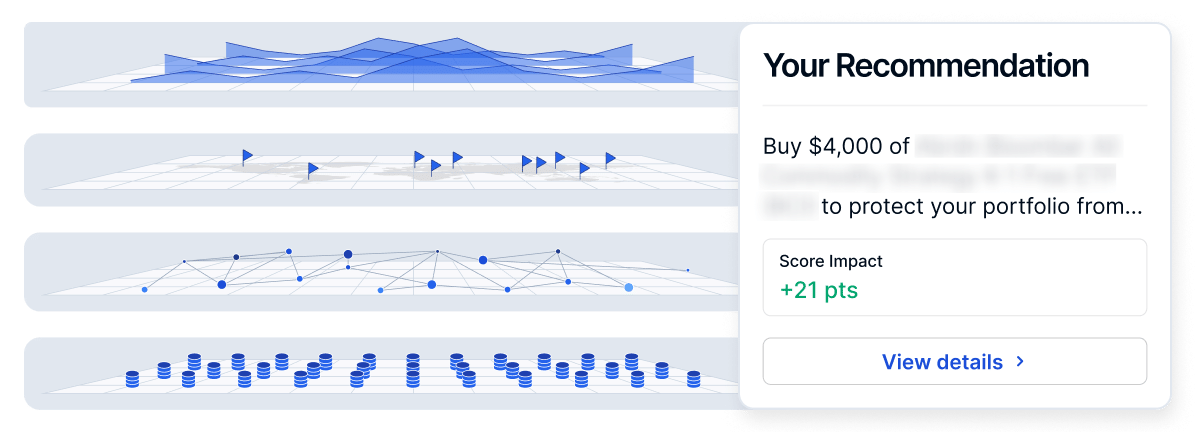
Put your money to work → PortfolioPilot.com


©2026 diversification.com. IMPORTANT DISCLOSURES: Global Predictions Inc, Registered Investment Advisor with the SEC. For informational and educational purposes only. Not financial advice. Investing involves risk.