December 26, 2025
5
min read

Dec 26, 2025
“On average, everyone whose mental picture of the future was vague and without detail had mostly negative emotional experiences with money.” – Sarah Newcomb, PhD, financial psychologist
Vague sounds like: “Save more. Invest more. Be more responsible.” Detailed sounds like: “Six months of expenses in cash, max my 401(k), and about 70% in stocks, with at least 20% outside the US.” Same person, same income. Very different odds of follow-through. One simple 2026 exercise: write one paragraph describing your life in five years, then add three numbers that support it (cash buffer, savings rate, rough allocation). You’re not predicting the future — you’re giving your brain something to aim at.
Note: We’ll be out for the holiday break and back in your inbox on January 5.
1. 🏦 Big US banks added ~$600B in value as deregulation tailwinds built
America’s six biggest banks added roughly $600 billion in market value in 2025, helped by a friendlier regulatory backdrop and a rebound in dealmaking and trading revenues. Changes like looser capital rules and stress-test overhauls matter because bank profitability isn’t just about rates — it’s also about how much balance-sheet “room” regulators allow them to use.
Why it matters: If banks are allowed to run “hotter,” credit can expand and buybacks can rise — good for equity holders, but it can also quietly increase system risk over time.
Assets in Focus: Equities
2. 🧩 Investors are betting on smaller private equity funds to break the deal drought

Investors have been shifting commitments toward mid-market private equity, arguing they may have an easier time buying and selling companies than mega-funds in a tougher exit environment. The FT notes a growing share of commitments going to funds targeting roughly $1B–$5B deals. In a world where financing is pricier, “smaller boats” can sometimes navigate tighter channels better than supertankers.
Why it matters: More retirement money is flowing into private markets, so understanding liquidity (how easily investments turn back into cash) matters even if you never buy a PE fund yourself.
Assets in Focus: Alternatives
3. 💉 Sanofi to acquire Dynavax for ~$2.2B

Sanofi agreed to buy Dynavax for about $2.2B, bolstering its adult vaccine lineup, especially hepatitis B, and potentially shingles longer-term. Deals like this are often less about “this quarter” and more about securing durable demand and product pipelines for the next decade. The deal is expected to close in early 2026, funded with cash.
Why it matters: Healthcare is a major slice of broad index portfolios; M&A can reshape who leads the sector and can shift risk from “research” to “integration and execution.”
Assets in Focus: Equities, Fixed Income
4. 🏘️ New luxury apartments are pushing rents down in Austin and Denver

New luxury buildings are pulling higher-income renters out of older units, forcing landlords of older apartments to cut rents to compete. It’s a simple “musical chairs” story: new seats arrive, and prices for the less-new seats fall first. This helps explain why “housing inflation” can cool even when the economy doesn’t suddenly collapse.
Why it matters: Rent is one of the biggest real-world line items for households, and a key input into inflation measures that influence interest rates.
Assets in Focus: Real Estate
5. 🛢️ BP to sell 65% of Castrol to Stonepeak for ~$6B

BP agreed to sell 65% of its Castrol lubricants business to Stonepeak for about $6B, valuing Castrol around $10.1B. BP plans to use proceeds to reduce debt, while keeping a 35% stake in a new joint venture. In plain terms: BP is turning a steady cash-generating unit into immediate balance-sheet flexibility.
Why it matters: Big asset sales are a signal about corporate priorities — debt, dividends, and capital discipline — which can ripple through credit markets and energy equities.
Assets in Focus: Equities
🌀 Diversification Score — Calculate my score
🤯 Alternative Investment Highlight: 🃏 The $5.3M Pokémon “Price Check”
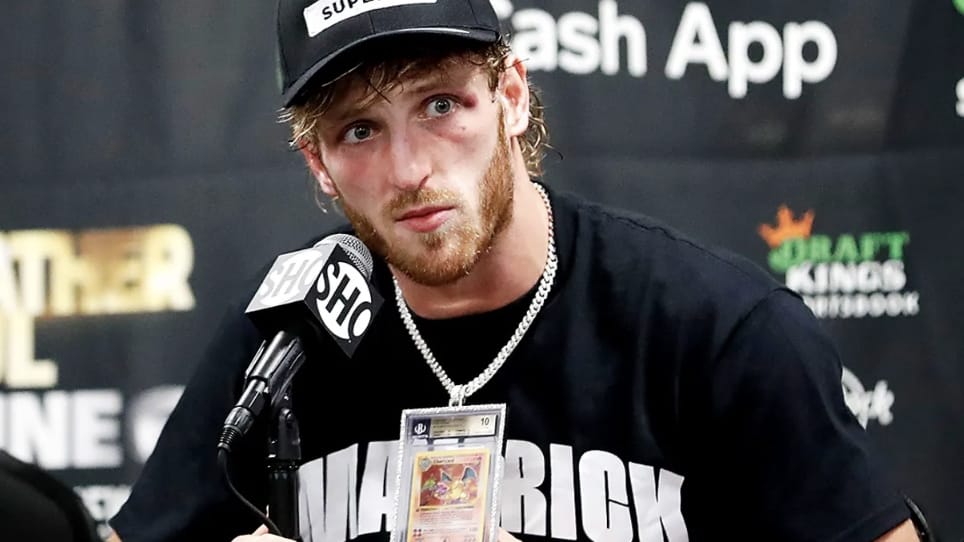
Influencer Logan Paul, who bought the ultra-rare Pikachu Illustrator card for about $5.3 million (a Guinness-record deal), has agreed to sell it via Goldin Auctions starting Jan 12. He reportedly took a $2.5M advance to bring it to auction, basically turning a trading card into something closer to a financeable asset. In collectibles, the “fundamentals” are scarcity + authenticity + who shows up to bid — and the biggest risk is often not the market… it’s fakes, fees, and fashion changing faster than you expect.
🧠 From the Education Center: A Complete Guide to Real Estate Investing with a Self-Directed IRA
This guide explains how real estate investing works within an SDIRA, the custodian’s role, how income is taxed, and the compliance pitfalls to avoid.
🚨 Your $10,000 question, answered
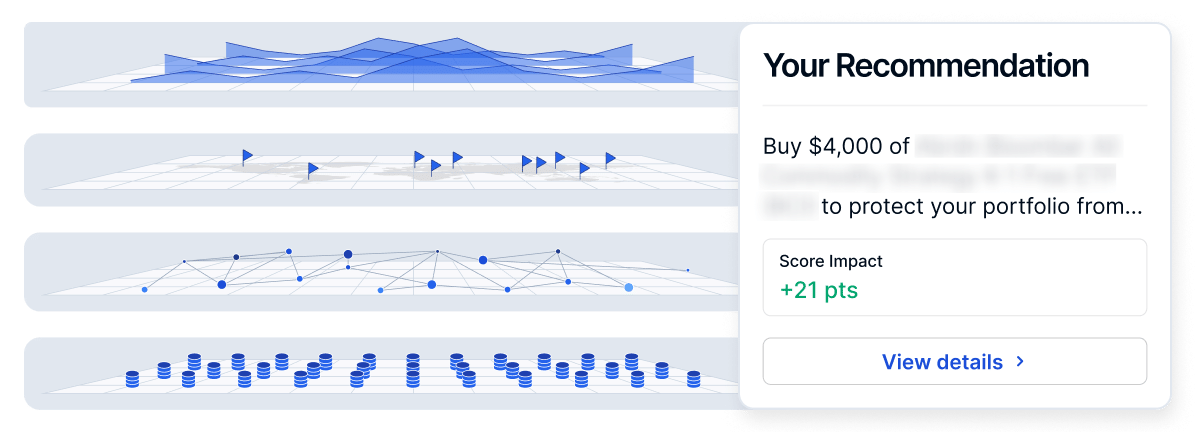
Put your money to work → PortfolioPilot.com


©2025 diversification.com. IMPORTANT DISCLOSURES: diversification.com is a technology product of Global Predictions Inc, a Registered Investment Advisor with the SEC. For informational and educational purposes only. Not financial advice. Past performance is not a guarantee of future results. Investing involves risk. DATA SOURCES: StockNewsAPI, Morningstar, AlphaVantage, IEX, TradingEconomics. REGULATORY: portfoliopilot.com/disclosures.