April 24, 2026
4
min read

April 24, 2026
💬 Daily Observation
"Diversification is protection against ignorance." — Warren Buffett
Spreading risk feels safe. But it can also hide weak decisions. Diversification works, but only when it's intentional.
🗞️ Today's Stories That Matter (And Why)
1. 🛢️ Oil jumps as supply disruptions return

Brent crude climbed above $107 as tensions in the Middle East cut regional output by more than half. The Strait of Hormuz remains partially blocked.
Why it matters: Energy is the economy's input cost. When oil rises, inflation tends to follow — and that shapes interest rates, spending, and market returns.
Assets in Focus: Commodities
2. 💻 AI demand drives tech optimism

Intel surged nearly 28% on strong earnings tied to AI chip demand, lifting broader tech sentiment. Nasdaq futures rose alongside it, extending a rally driven by AI investment expectations.
Why it matters: AI is becoming a structural driver, not a short-term trend. But when a few companies lead gains, portfolios can become quietly concentrated.
Assets in Focus: Equities
3. 🇯🇵 Japan stocks hit record highs despite global tensions

Japan's Nikkei reached new record highs, driven by strong corporate earnings, foreign investor inflows, and a weaker yen, making Japan one of the strongest equity performers in 2026.
Why it matters: Markets don't move in sync. While some economies slow, others accelerate — geographic diversification isn't optional, it's protection.
Assets in Focus: Equities, Fixed Income
4. 🏡 Mortgage rates dip below recent highs — but volatility remains

The 30-year average dropped below ~6.20%, continuing a recent downward trend. But rates remain well above pandemic-era levels and continue to fluctuate with inflation and geopolitical uncertainty.
Why it matters: Small declines help sentiment, but volatility keeps buyers and sellers cautious.
Assets in Focus: Real Estate
5. ⚠️ Central banks warn markets may be too optimistic
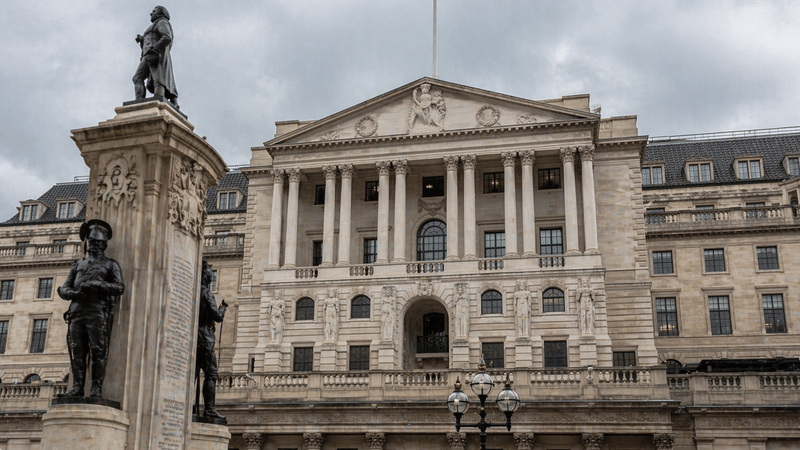
A senior Bank of England official warned that global asset prices may be out of sync with underlying risks, especially given high AI valuations. Markets remain near record highs despite growing uncertainty.
Why it matters: Markets don't correct because something is obvious — they correct when expectations shift. High valuations leave less room for error.
Assets in Focus: Equities
🌀 Diversification Score
Most portfolios drift toward whatever's been working lately. A quick check today can prevent a bigger correction later. Calculate my score
🤯 Alternative Investment Highlight: 🌪️ The Market That Pays You If Nothing Happens

Catastrophe bonds — a $50B–$60B+ market — pay investors only if a disaster doesn't happen. If nothing happens, they collect steady returns. If a major disaster hits, they can lose their entire principal. It's about pricing low-probability, high-impact events — and getting paid if the world stays calm.
🧠 From the Education Center
Diversification: A Practical Guide — History has repeatedly demonstrated its value, from the Great Depression to the 2008 financial crisis.
🚨 Your $10,000 question, answered
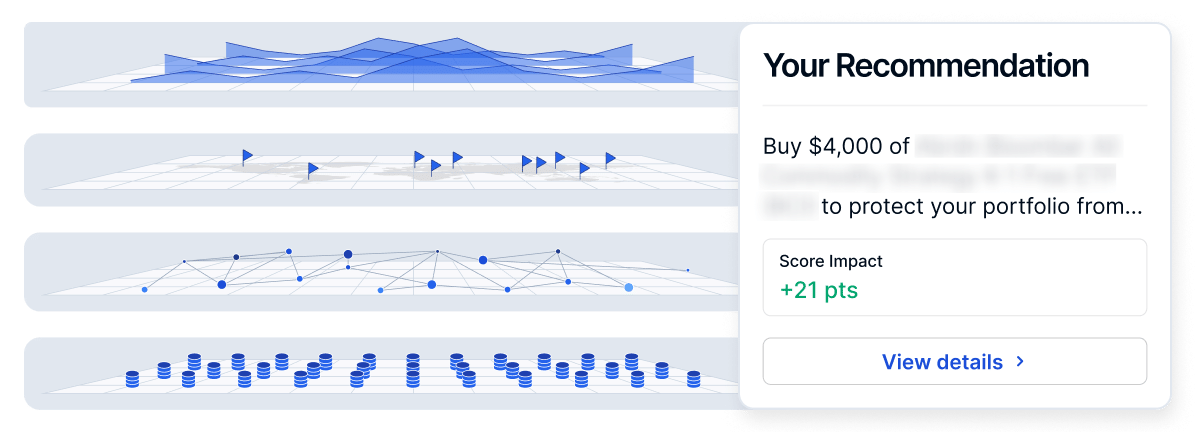
Put your money to work → PortfolioPilot.com


©2026 diversification.com. IMPORTANT DISCLOSURES: Global Predictions Inc, Registered Investment Advisor with the SEC. For informational and educational purposes only. Not financial advice. Investing involves risk.