April 27, 2026
4
min read

April 27, 2026
💬 Daily Observation
"Volatility is the price of admission." — Morgan Housel
Investors want returns without swings. Growth without discomfort. But markets don't offer that trade. The more you avoid volatility, the more you limit returns.
🗞️ Today's Stories That Matter (And Why)
1. 🛢️ Oil surges as Middle East tensions escalate

Oil prices jumped above $100 as supply disruptions intensified following stalled US–Iran talks. Goldman Sachs raised its oil price outlook, citing a slower recovery in production.
Why it matters: Energy shocks don't stay in energy — they ripple into inflation, rates, and consumer spending.
Assets in Focus: Commodities
2. 📉 Markets pause after record-breaking rally
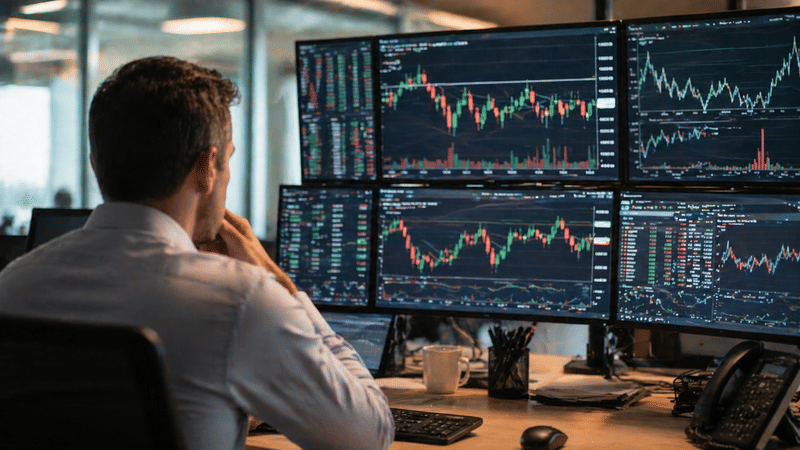
US stocks are losing momentum, with the S&P 500 flattening and the Nasdaq slipping slightly. Investors are balancing strong earnings with rising geopolitical uncertainty and energy costs.
Why it matters: Periods of consolidation often matter more than rallies — they reveal what investors actually believe.
Assets in Focus: Equities
3. 🤖 Big Tech earnings take center stage this week
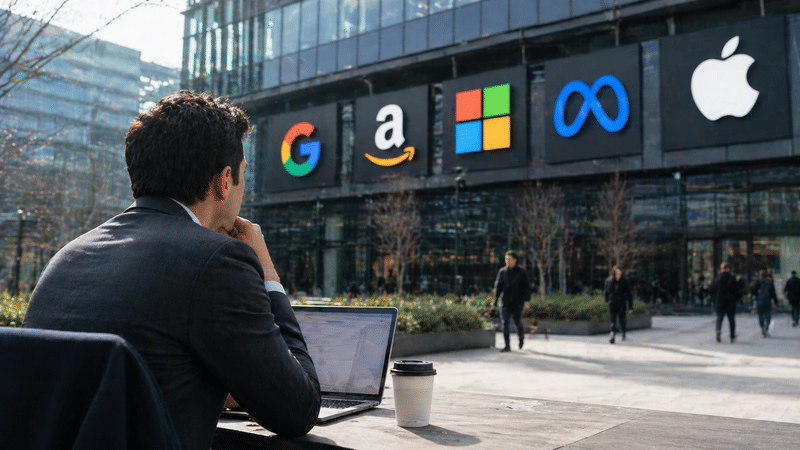
Major tech companies — Alphabet, Amazon, Microsoft, Meta, and Apple — are reporting earnings over the next few days, testing whether AI-fueled growth is holding up amid rising costs.
Why it matters: When a handful of companies drive most of the market's returns, their earnings become a reality check for the entire system.
Assets in Focus: Equities, Fixed Income
4. 🏦 Fed faces a narrow path on inflation
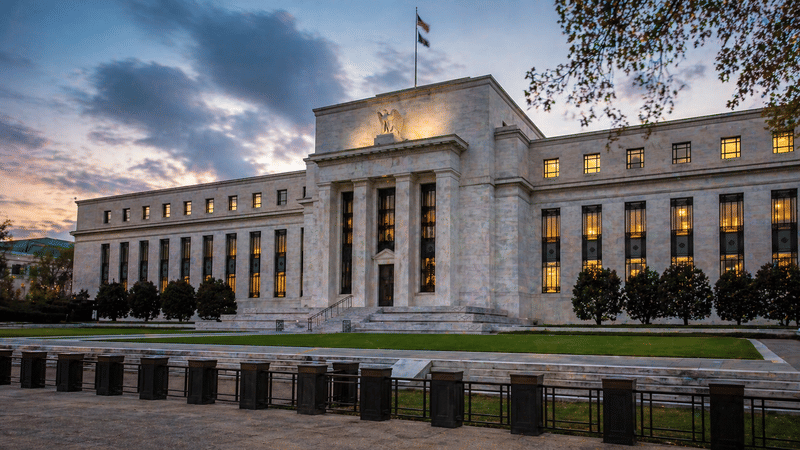
The Federal Reserve is expected to hold rates steady as inflation remains sticky, partly driven by rising energy prices. Policymakers are balancing slower growth with the risk that inflation may reaccelerate.
Why it matters: When inflation lingers, the Fed loses flexibility — and markets lose clarity.
Assets in Focus: Fixed Income
5. 🚫 China blocks major AI deal
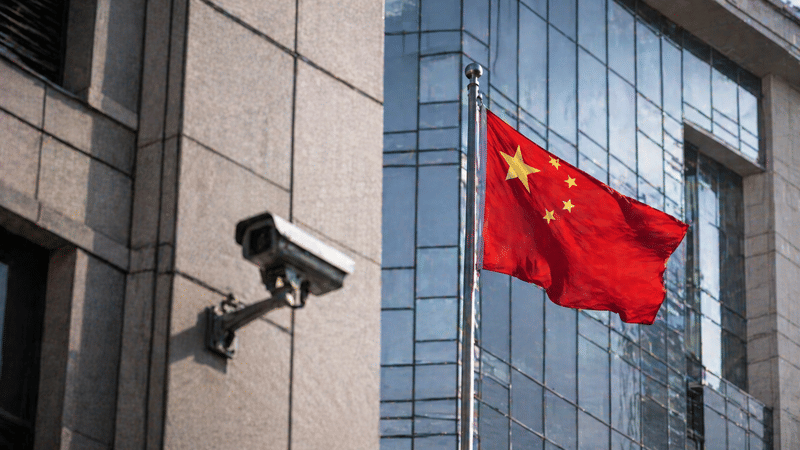
Chinese regulators halted a $2B AI acquisition involving Meta, citing compliance concerns. This adds to growing friction in global tech investment flows.
Why it matters: AI may be global, but regulation is local — and that gap can reshape where capital flows.
Assets in Focus: Equities
🌀 Diversification Score
If one theme (AI, energy, or rates) is driving your returns, it may also be driving your risk. Calculate my score
🤯 Alternative Investment Highlight: 🃏 The $5.3M Card That Became an Asset Class

A rare Pokémon card bought for about $5.3 million became one of the most expensive trading cards ever. The broader trading card market has delivered ~3,800% returns since 2004, driven by scarcity, grading systems, and global collector demand. In some markets, the asset isn't productive or cash-flowing — it's something culturally valuable enough that price is set by obsession, not fundamentals.
🧠 From the Education Center
Diversification: A Practical Guide — History has repeatedly demonstrated its value, from the Great Depression to the 2008 financial crisis.
🚨 Your $10,000 question, answered
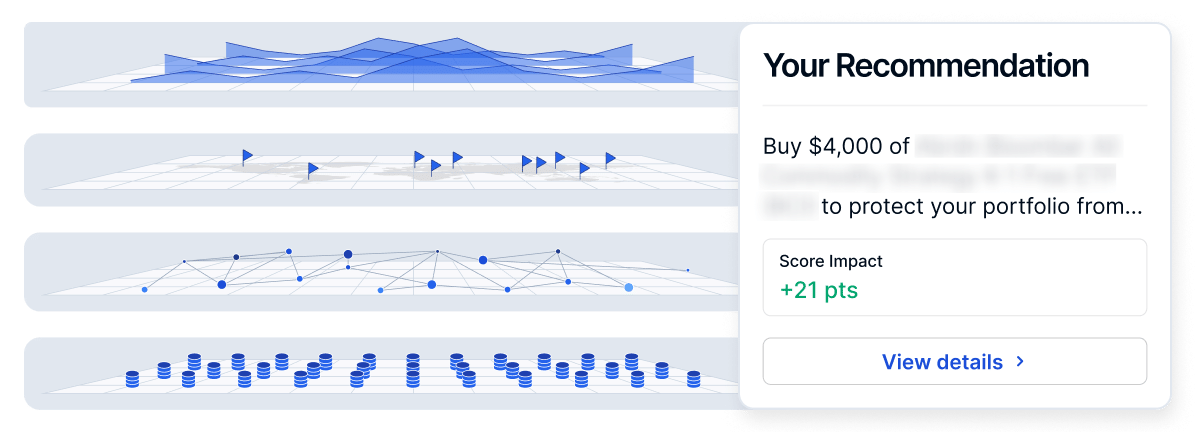
Put your money to work → PortfolioPilot.com


©2026 diversification.com. IMPORTANT DISCLOSURES: Global Predictions Inc, Registered Investment Advisor with the SEC. For informational and educational purposes only. Not financial advice. Investing involves risk.