April 28, 2026
4
min read

April 28, 2026
💬 Daily Observation
"Good investing is boring." — George Soros
The best strategies don't feel exciting. No constant changes, no dramatic moves. The more boring it is, the more likely it is to work.
🗞️ Today's Stories That Matter (And Why)
1. 🧾 Earnings wave tests the strength of the US consumer

Major companies like Coca-Cola, GM, Starbucks, and Visa are reporting earnings today. Early signals suggest mixed strength, with pressure building in discretionary spending.
Why it matters: The market is watching resilience, not just growth. If consumers slow down, everything from earnings to GDP follows.
Assets in Focus: Equities
2. 🛢️ Oil surges past $100 as tensions drag on

Crude oil has climbed above $100 per barrel as US-Iran tensions persist. Goldman Sachs now sees oil potentially hitting $120 in a worst-case scenario.
Why it matters: Fragile global supply keeps energy as the primary inflation transmission channel.
Assets in Focus: Commodities
3. 📈 Inflation creeps higher — and households feel it

US inflation rose 3.3% year-over-year in March, with the biggest monthly jump in years. Gas prices are at four-year highs, and consumer confidence expectations remain weak.
Why it matters: Inflation shapes how people spend, save, and invest. It's still sticky enough to keep the Fed cautious.
Assets in Focus: Fixed Income
4. 🪙 Gold struggles to gain momentum despite uncertainty

Gold is holding steady but failing to rally as rising oil prices and inflation expectations keep pressure on interest rates. Higher rates reduce gold's appeal because it doesn't generate income.
Why it matters: Safe havens aren't automatic — they depend on the environment. And right now, rates matter more than fear.
Assets in Focus: Commodities
5. 🤖 Tech stocks wobble as AI expectations reset

Tech shares are under pressure after reports that some AI growth targets aren't being met. Investors are asking: when do massive AI investments translate into profits?
Why it matters: Markets don't just price innovation — they price results. Expectations are high, and the bar keeps rising.
Assets in Focus: Equities
🌀 Diversification Score
If oil jumps, rates stay high, and tech stumbles — would your portfolio absorb the shock, or amplify it? Calculate my score
🤯 Alternative Investment Highlight: 🌲 The Forest That Pays You Without Cutting Anything Down

Some investors are buying forest land — not for timber, but for the carbon it absorbs. Carbon credits from forests can sell for $10–$50+ per ton, creating a recurring revenue stream just from trees existing. Investors aren't optimizing for production — they're optimizing for what doesn't happen (emissions).
🧠 From the Education Center
Diversification: A Practical Guide — History has repeatedly demonstrated its value, from the Great Depression to the 2008 financial crisis.
🚨 Your $10,000 question, answered
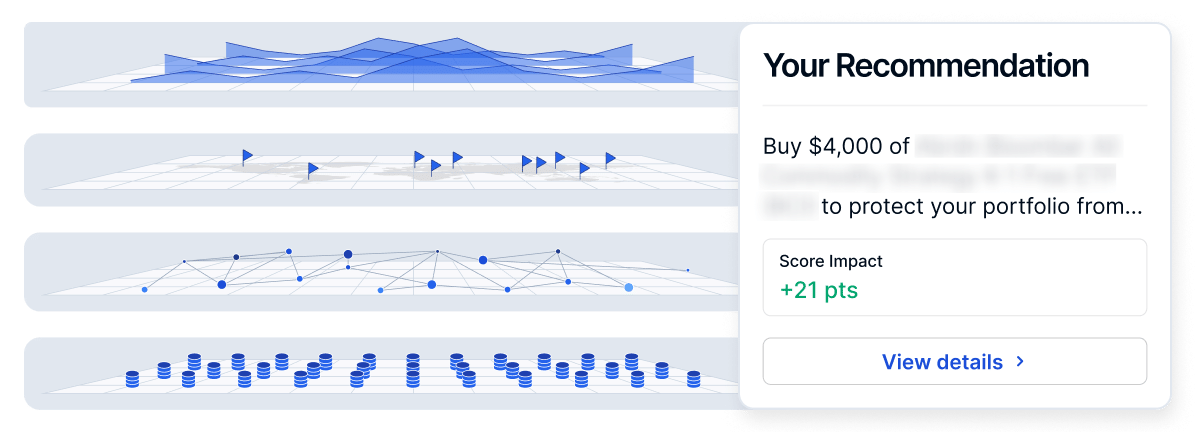
Put your money to work → PortfolioPilot.com


©2026 diversification.com. IMPORTANT DISCLOSURES: Global Predictions Inc, Registered Investment Advisor with the SEC. For informational and educational purposes only. Not financial advice. Investing involves risk.